Smartfix
Colin: how a company mascot became a brand system
Smartfix already had a mascot. The opportunity was turning him into something much more useful: a recognisable character with a clear personality, visual system and enough flexibility to work across the entire customer experience.
What started as character development became an asset the business could use across campaigns, vehicles, social media, customer education, merchandise and more.
The situation
An existing mascot with more potential
Colin wasn't created from scratch. Smartfix already had a chameleon mascot, but there wasn't yet a clear system for how the character should look, behave or be used.
As the brand grew across more channels and customer touchpoints, that became increasingly important. If Colin was going to become a recognisable part of Smartfix rather than an occasional graphic, he needed consistency, personality and enough flexibility to work in very different situations.
The problem
A character isn't a brand asset until people can use it
A single mascot illustration is relatively easy to manage. The challenge comes when that character needs to appear across campaigns, signage, vehicles, social media, print, merchandise and customer-facing material without becoming inconsistent.
There were practical questions to solve: What does Colin look like from different angles? How does he behave? What expressions feel like him? What can he wear or hold? How should other designers use him without slowly changing the character?
The goal wasn't simply to create more illustrations. It was to build a system around the character.
My role
From character development to creative direction
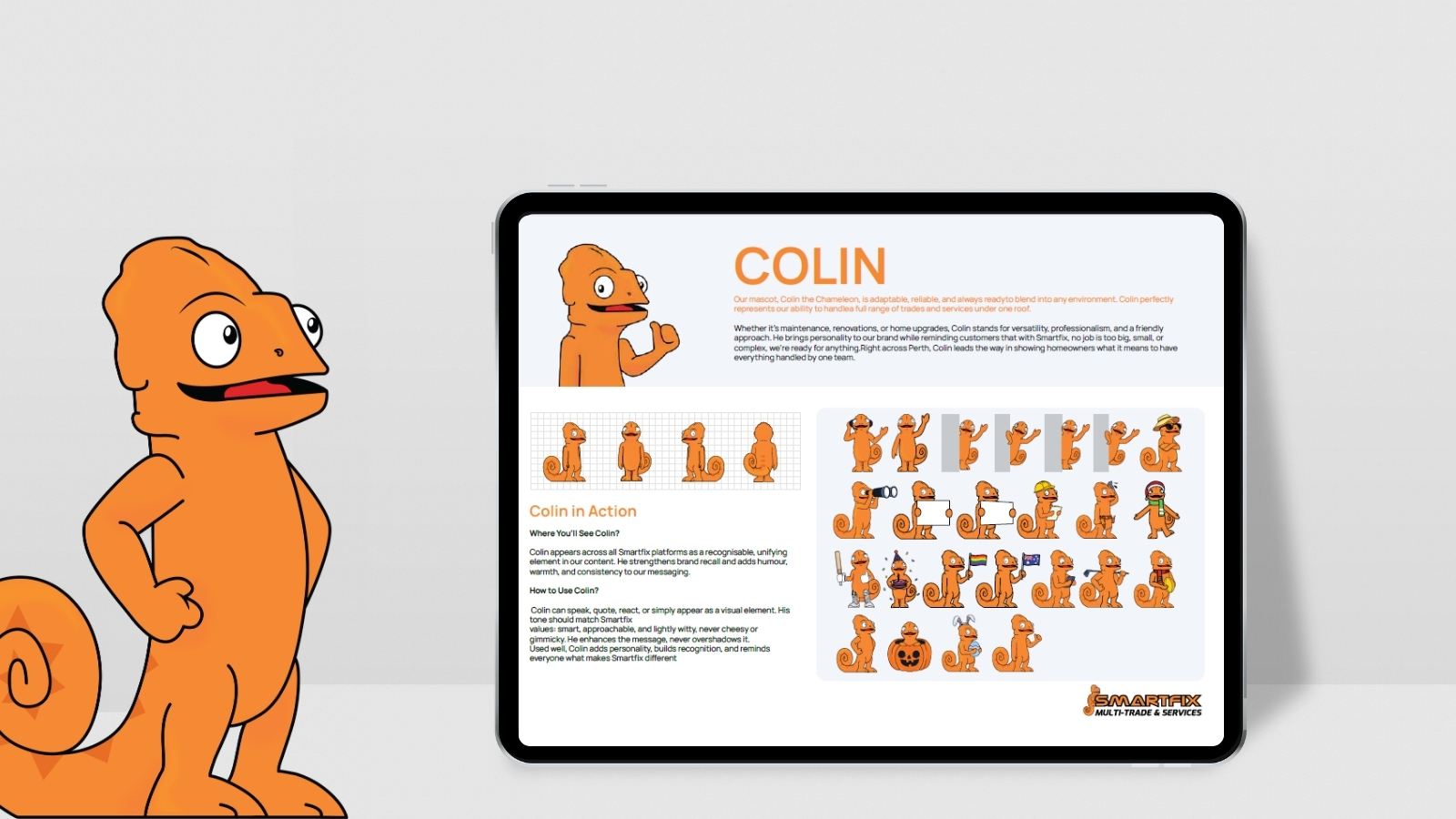
I developed Colin from the existing concept into a defined brand character, establishing his personality, visual rules, poses, expressions and applications.
From there, my role shifted into creative direction: identifying where the character could add value, developing concepts for new applications and briefing illustrators and suppliers to expand the asset library while keeping Colin recognisably Colin.
The work
Building the character
Before Colin could appear everywhere, he needed rules.
I developed his personality, expressions, poses and visual characteristics so there was a consistent reference point for future work. Rather than treating each new illustration as a standalone piece, new poses could be created from an established character system.
Creating a flexible asset library
Once the character was defined, the library could grow around actual business needs.
Different outfits, tools, expressions, actions and seasonal variations made it possible to use Colin across services and campaigns without reinventing the character each time. External illustrators could also work from an established reference rather than interpreting the mascot from scratch.
Taking Colin beyond marketing collateral
The strongest opportunities weren't always advertisements.
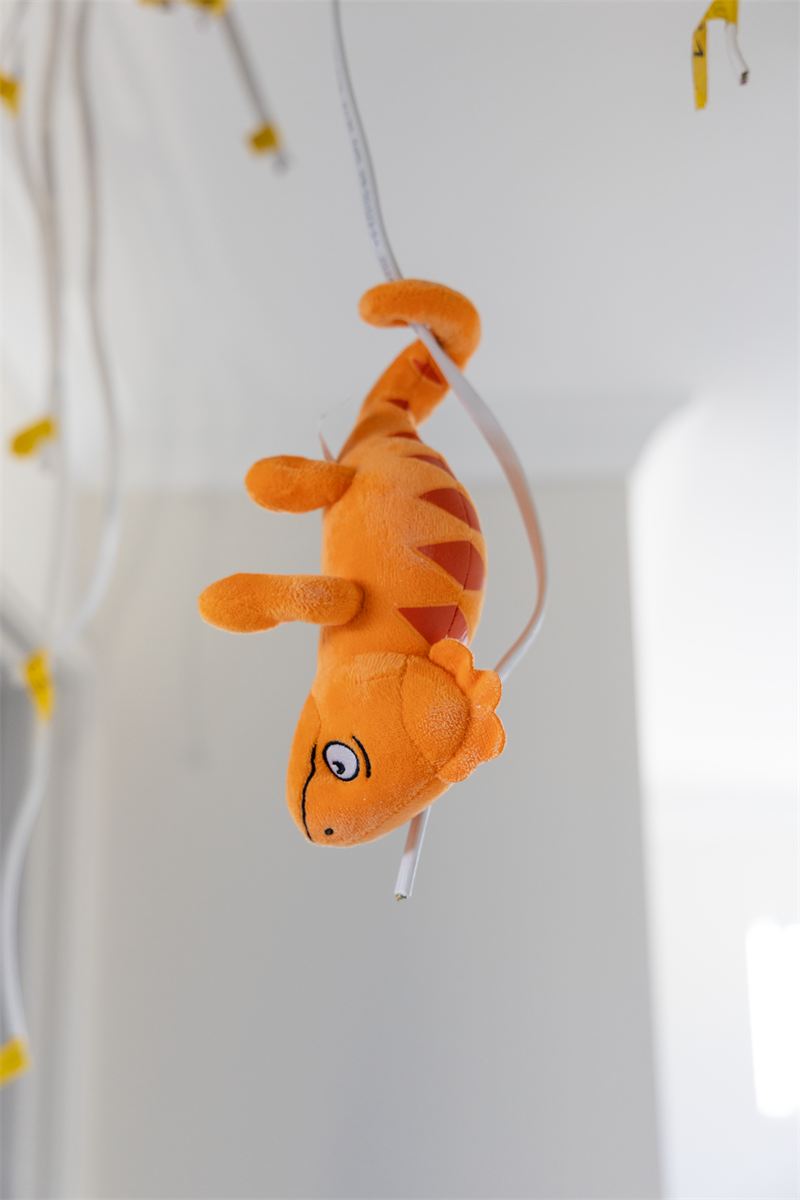
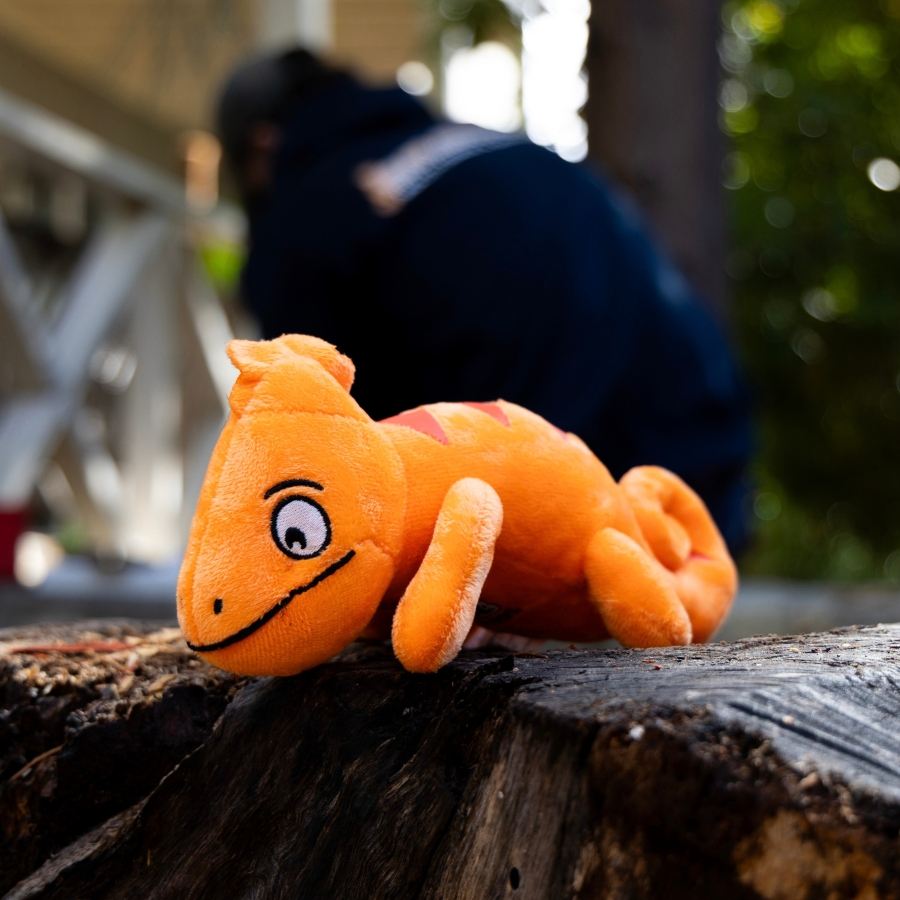
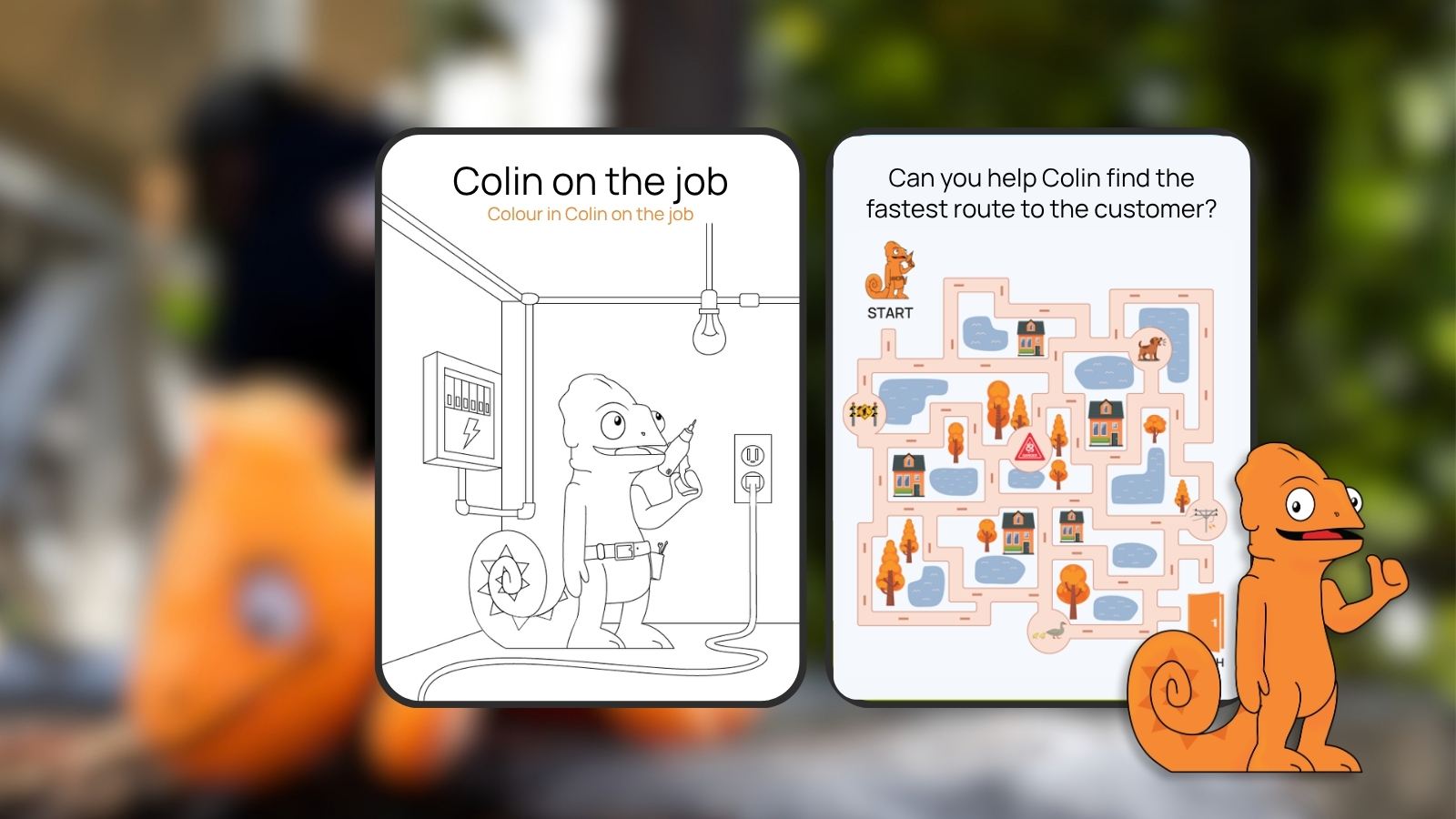
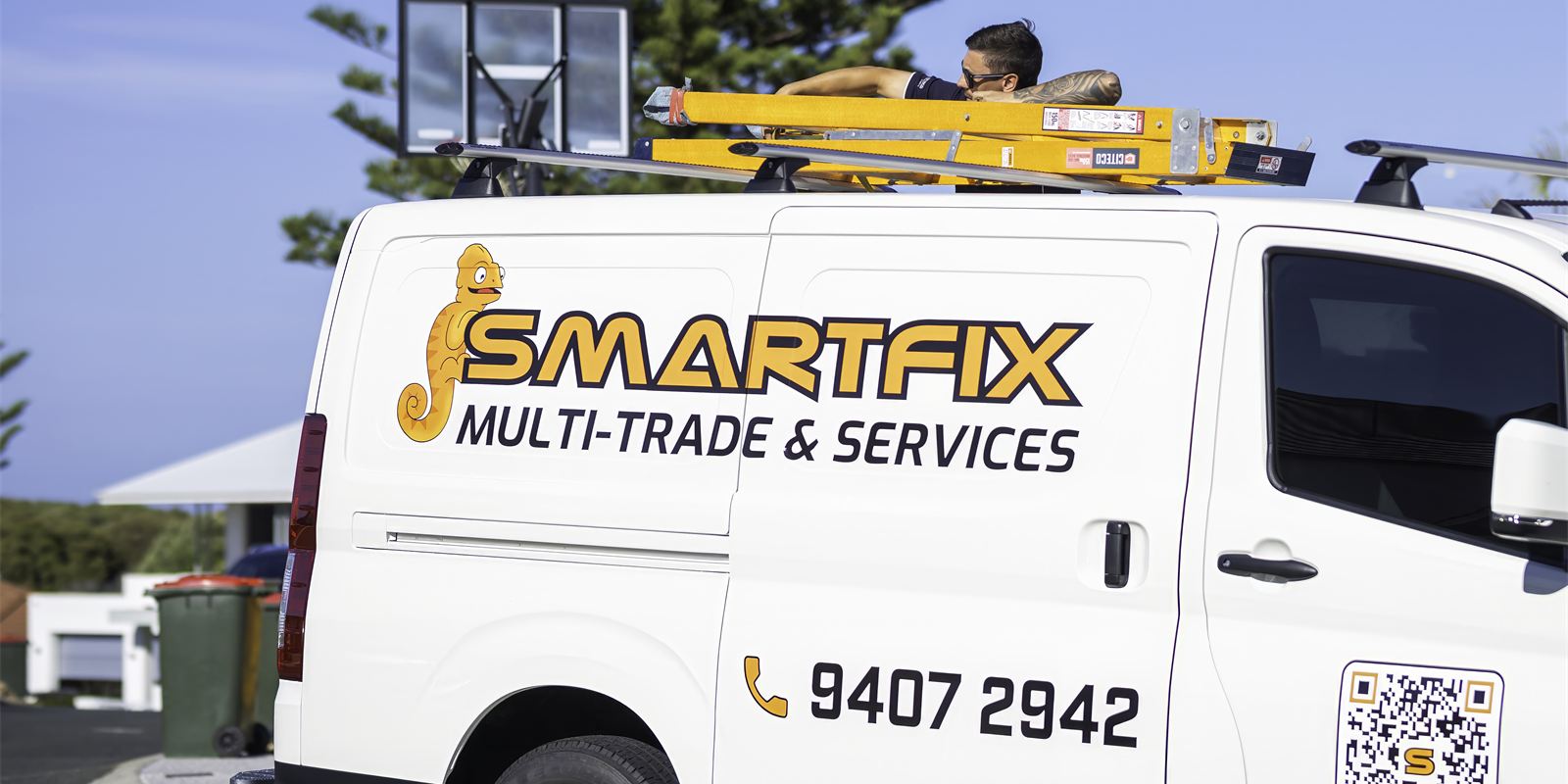
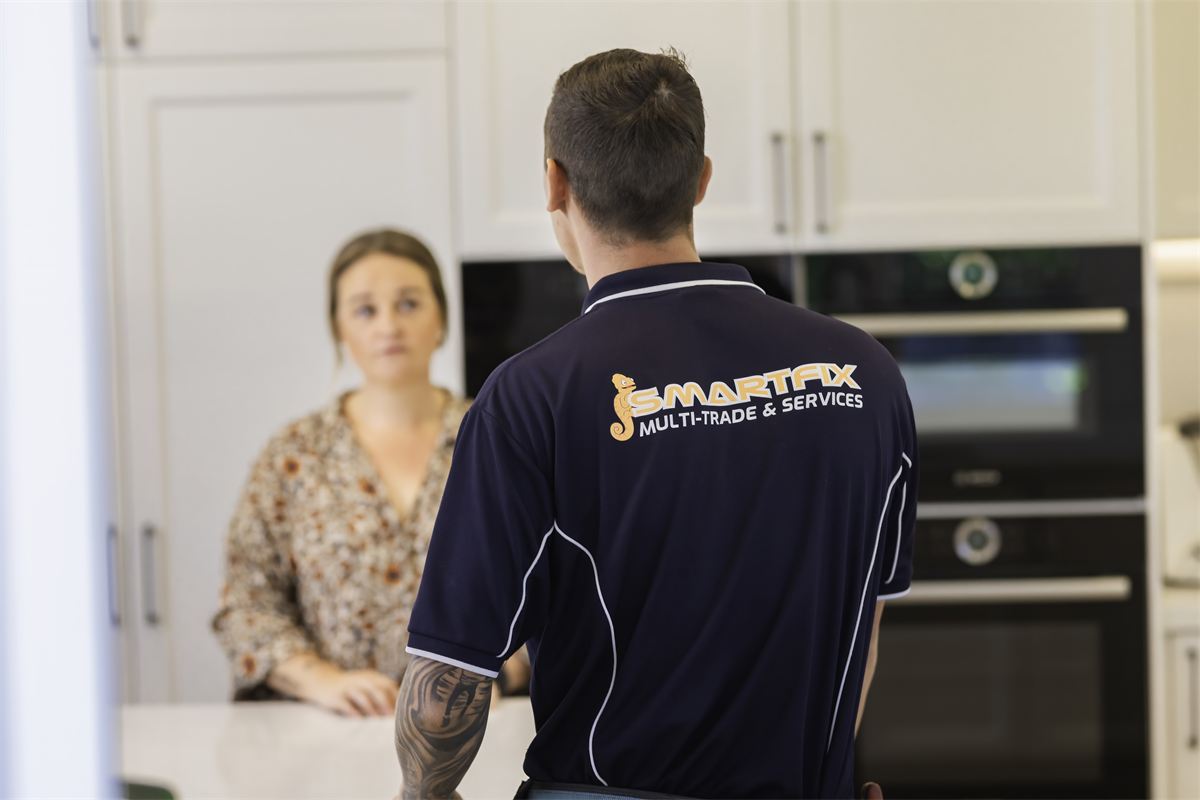
Colin became part of children's activities, social content, vehicle graphics, customer-facing material, merchandise and physical brand experiences. That gave Smartfix a recognisable asset that could show up in places where a logo or promotional message alone would have had far less personality.
Colin in the wild
Outcome
From mascot to recognisable brand asset
Colin developed from an occasional character into a flexible brand asset with a defined personality, visual system and growing library of applications.
That meant the character could be used consistently across social media, campaigns, vehicles, customer material, activities and physical products without needing to be reinvented every time.
More importantly, Colin gave Smartfix something its logo couldn't do on its own: a character people could recognise, interact with and remember.
The system also made expansion easier. New poses, applications and ideas could be developed against an established reference, allowing the character to keep evolving without losing what made him recognisable in the first place.